Interior Design Trends to Watch in 2026 — A Construction-Focused Forecast from Ponce Design Build
Interior design trends don’t just influence décor—they increasingly shape how homes are built, remodeled, engineered, and finished. At Ponce Design Build, we’re seeing 2026 usher in a wave of design-forward construction priorities: natural materials, curved architectural forms, sustainable building practices, and multi-functional spaces that are planned at the structural level, not treated as afterthoughts.
If you’re planning a renovation or custom home, understanding how design trends impact construction choices can help you make smarter decisions, avoid costly rework, and create a home that feels both current and timeless. Here’s our builder-informed breakdown of the top interior design trends to watch in 2026—and how to implement them from the ground up.
1. Warmer Minimalism Starts at the Structural Level
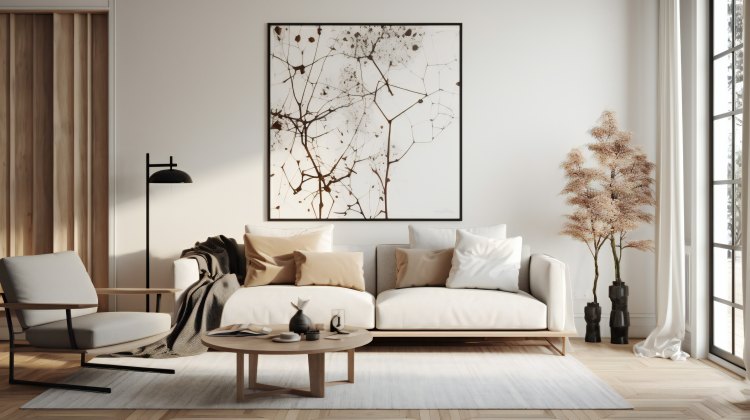
Minimalism is shifting away from stark, cold spaces and toward a soft, warm interpretation. This means:
- Textured wall finishes built into drywall applications
- Natural stone and warm woods integrated into millwork
- Architectural simplicity paired with rich material palettes
Homeowners are trading ultra-white surfaces for a more inviting foundation. Instead of relying on décor to add warmth, the 2026 remodel focuses on building warmth into the bones of the house.
Construction Applications:
- Choose limewash, Venetian plaster, or plaster-look drywall textures instead of standard smooth finish.
- Incorporate white oak, walnut, or alder millwork for door casings, beams, and built-ins.
- Install arched or soft-line framing for openings and niches to echo the warm-minimalist aesthetic.
- Specify warmer whites such as off-whites, creams, or soft taupes for walls and ceilings.
This approach ensures the home feels serene before the first piece of furniture is added.
2. Curves and Organic Forms Move From Décor to Construction
Curved sofas may come and go—but curved construction elements are here to stay in 2026.
Arched openings were only the beginning. We’re seeing demand for:
- Curved kitchen islands
- Rounded drywall corners
- Soft-radius built-ins
- Cove-style ceilings
- Curved stairwells and railings
These require advanced framing and carpentry, which means homeowners should consider them early in the design-build process.
Construction Applications:
- When remodeling, plan for radius framing, which requires specialized bending materials and custom templates.
- Use flexible drywall or kerf-cut wood when shaping curved walls or ceilings.
- Coordinate early with cabinetry teams if incorporating rounded corners on cabinets or built-ins.
- For staircases, work with fabricators early to create curved metal or wood rail systems that meet code.
Curves create a sense of movement and softness that works especially well in open-concept homes.
3. Natural Materials and Textures Take Center Stage
Designers have talked about “biophilic design” for years, but 2026 is the year homeowners are building it into the structural framework of their homes.
We’re seeing:
- Natural stone fireplaces and range hoods
- Raw wood ceiling beams
- Textured stone flooring
- Slatted wood walls and dividers
- Handmade tile installations with natural variation
This trend isn’t about décor—it’s about how your home feels in its foundation.
Construction Applications:
- Use ribbed plaster, trowel-texture walls, or slatted wood paneling on feature walls.
- Select quartzite, soapstone, or marble with visible veining for countertops and fireplace surrounds.
- Install wide-plank engineered hardwoods in warm tones to complement natural textures.
- Incorporate wood soffits, ceiling treatments, or wall cladding as part of the architectural plan.
Natural materials require careful planning for weight, support, and sealing—your builder should guide these decisions.
4. Sustainable Building & High-Efficiency Design
Sustainability isn’t a trend—it’s the foundation of modern building. In 2026, design and sustainability merge into construction priorities such as:
- Recycled or rapidly renewable building materials
- Energy-efficient lighting and window systems
- Indoor air-quality upgrades built into HVAC design
- High-performance insulation and smart climate control
- Sustainably sourced wood products
Homeowners want healthier homes with lower long-term operating costs—and trends reflect this shift.
Construction Applications:
- Choose low-VOC paints, adhesives, and finishes.
- Incorporate energy modeling in early planning to reduce utility usage.
- Install triple-pane windows or thermally broken frames.
- Use smart thermostats, humidity control systems, and duct purification.
- Consider bamboo or FSC-certified wood for cabinets and flooring.
This trend ensures your home is future-ready and environmentally conscious.
5. Deep, Saturated Colors Built Into Architectural Elements
Color drenching—painting an entire room in a single, rich hue—is trending not just in décor but construction planning.
Homeowners are requesting:
- All-over wall + trim + ceiling color applications
- Bold built-in units painted in saturated tones
- Tile and stone selections that serve as the color anchor
Builders and designers are coordinating earlier to integrate color into the structure to avoid clashing materials or unnecessary repainting.
Construction Applications:
- Use pre-finished cabinetry that matches or complements the wall color.
- Consider tile in deeper hues—navy, forest green, ochre—to create long-term color impact.
- Use specialty paints for doors, casings, bookshelves, and window trims for a unified look.
Color trends shift, but if executed correctly in construction, bold color can feel intentional and lasting.
6. Kitchens Become Multi-Material Architectural Masterpieces
In 2026, kitchens aren’t just functional—they are crafted. The top construction-forward trends include:
- Mixed materials: stone + wood + metal
- Thicker stone profiles on islands
- Integrated appliance walls
- Butler’s pantries & prep kitchens
- Statement range hoods built from stone, plaster, or metalwork
These trends require careful structural planning, especially when installing stone-wrapped islands or concealing appliances inside custom panel systems.
Construction Applications:
- Reinforce islands to support 2–3 inch stone thicknesses.
- Pre-plan electrical and plumbing for hidden appliance garages.
- Use custom millwork panels to blend refrigerators into cabinetry walls.
- Build separate pantry rooms during framing to add storage and reduce kitchen visual clutter.
This approach turns the kitchen into a functional showpiece and increases long-term home value.
7. Multi-Functional Spaces Designed During Construction
Work-from-home isn’t going away, and homeowners want spaces that adapt. In construction terms, this translates to:
- Pocket offices built into hallways or lofts
- Flexible living rooms with built-in storage
- Guest rooms with Murphy beds or built-in desks
- Home gyms designed with proper flooring and ventilation
- Wellness spaces with plumbing for steam or infrared systems
Planning these during construction avoids expensive retrofitting later.
Construction Applications:
- Frame niches and alcoves for hidden desks or shelving.
- Pre-wire spaces for lighting zones, smart home systems, and media setups.
- Add sound-dampening insulation for private workspaces.
- Install durable flooring in multi-use areas (LVP, engineered wood, or cork).
The more intentional the space, the better it supports modern living.
8. Architectural Lighting as a Key Construction Feature
Lighting is no longer an afterthought—it’s a core architectural design element.
2026 brings heightened focus on:
- Cove lighting and recessed linear lighting
- Integrated shelf or cabinet lighting
- Large sculptural pendants that require reinforced ceiling boxes
- Layered lighting circuits planned during electrical rough-in
Proper lighting sets the tone for natural materials, curved forms, and color-rich environments.
Construction Applications:
- Design lighting zones during planning—not after drywall.
- Install LED profiles into ceilings or millwork for a clean, modern finish.
- Reinforce ceilings where oversized pendants will hang.
- Add dimmers and smart controls to create ambient lighting options.
Lighting elevates every trend on this list—especially in homes with open layouts.
Looking for Real-World Inspiration?
Visit our project gallery to see how we bring these trends to life during construction and remodeling.
Internal link: /gallery
Interior design trends for 2026 aren’t just about color palettes—they’re fundamentally influencing how homes are structurally planned, built, and renovated. From curved framing to natural materials and multi-functional layouts, the trends ahead encourage deeper integration between construction and design.
At Ponce Design Build, we specialize in bridging that gap. If you’re planning a remodel or new build and want a home that feels both on-trend and timeless, we’d love to help bring your vision to life.