
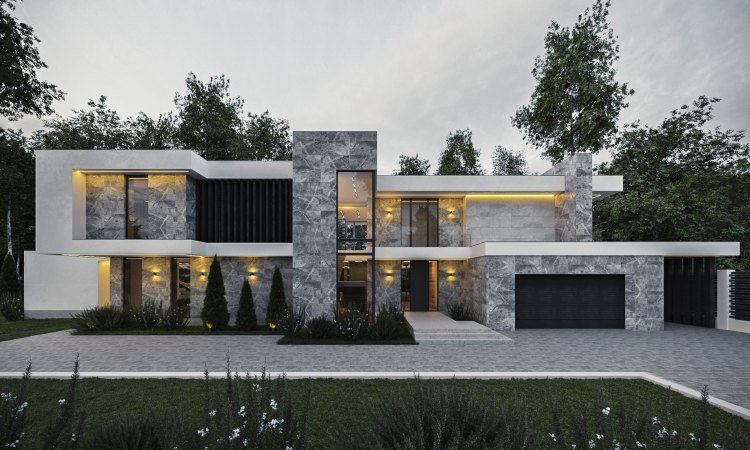
The Future of Home Design: Trends to Watch
As we move through the second half of the decade, home design continues to evolve—fueled by rapid technological innovation, shifting lifestyles, and a renewed focus on sustainability. At Ponce Design Build, we’ve always believed that good design isn’t just about aesthetics—it’s about creating timeless spaces that reflect the way we live today and anticipate the way we’ll live tomorrow.
From smarter spaces to adaptable layouts, 2025 is shaping up to be a groundbreaking year for home design. Let’s explore the emerging trends we’re watching closely and what they mean for homeowners, architects, and anyone dreaming of their next custom home.
1. Smarter Homes, Seamlessly Integrated
Home automation is no longer a novelty—it’s an expectation. But in 2025, we’re seeing a shift from “tech-heavy” showpieces to invisible intelligence. Today’s smart homes integrate technology so seamlessly into the design that it becomes a natural part of the living experience.
Think lighting systems that learn your daily rhythm, HVAC that adjusts to your body’s temperature cues, and kitchen appliances that anticipate your grocery needs. Voice and gesture-controlled interfaces are being refined with AI, making home tech intuitive, not intrusive.
Implication: Design-build teams must collaborate with tech integrators earlier in the planning process to ensure systems are embedded cleanly into architecture and finishes, without sacrificing beauty for functionality.
2. Biophilic Design Goes Beyond Greenery
Biophilic design—bringing nature into the built environment—is expanding beyond just plant walls and indoor gardens. In 2025, we’re seeing a more holistic approach to nature-inspired living. Natural materials like rammed earth, reclaimed wood, and limewash plaster are making a comeback, paired with large operable windows and multi-sensory experiences such as soundscapes and natural ventilation.
Water features are being reimagined as both focal points and ambient coolers. Organic shapes and flowing lines in furniture and layout mimic the softness of natural forms, helping reduce stress and boost well-being.
Implication: Designers are tasked with creating environments that don’t just look natural but feel natural—engaging all five senses for a restorative living experience.
3. Flexibility Is the New Luxury
Today’s homeowners are asking more of their spaces—home offices that convert to guest rooms, media spaces that double as workout areas, and kitchens that flow seamlessly into entertainment zones. The lesson learned from the past few years? Adaptability is essential.
We’re now designing homes with transformative furniture, modular layouts, and sliding partitions that allow rooms to change function throughout the day. For multigenerational households, dual primary suites or fully private guest wings offer the independence modern families crave.
Implication: The fixed-purpose room is fading. Instead, homeowners value fluid, multifunctional environments where every square foot earns its keep.
4. The Rise of the Wellness-Centered Home
Wellness has emerged as a central design priority. From circadian lighting systems to EMF-shielded bedrooms, homeowners are investing in their health through design choices. This includes better air and water filtration systems, toxin-free finishes, soundproofing for stress reduction, and even spaces specifically designed for mindfulness and meditation.
The bathroom is becoming the new spa—with cold plunges, aromatherapy showers, and heated tile seating, while kitchens are increasingly focused on clean eating, with dedicated zones for fermenting, juicing, or plant-based prep.
Implication: Home design must support not only physical health but emotional and mental wellness. Spaces that encourage rest, ritual, and reflection are now essential.
5. Sustainability Gets Personal
Sustainable design has matured far beyond LEED certifications. In 2025, homeowners want personalized sustainability—choices that reduce impact without compromising their lifestyle.
This includes energy-positive homes that generate more power than they use, graywater recycling systems, solar-integrated roofing tiles, and hyper-efficient insulation materials. Carbon tracking is also a growing trend—giving homeowners insight into the footprint of their materials and construction methods.
Implication: Design firms are being asked to guide clients through a growing menu of green options, balancing upfront costs with long-term benefits—environmentally and financially.
6. Heritage Meets Modernism
While the future is often associated with sleek minimalism, many homeowners in 2025 are turning back to timeless elements—craftsmanship, heritage patterns, and regional materials—but with a modern lens. This “new nostalgia” blends old-world elegance with contemporary utility.
Classic design motifs—like wainscoting, arches, and artisan tile—are being reinterpreted in updated proportions and palettes. This trend aligns beautifully with the values of Ponce Design Build, where honoring history and place is as important as forward-thinking innovation.
Implication: Designers must be adept at bridging eras—merging past and future into a cohesive whole that resonates emotionally.
7. The Outdoor Room Evolution
Outdoor spaces are no longer just patios and porches—they’re true extensions of the home. From outdoor kitchens equipped with pizza ovens to fully furnished lounges with retractable screens and integrated audio, homeowners are investing in year-round outdoor living.
We’re also seeing a rise in edible landscaping, pollinator-friendly gardens, and smart irrigation systems. Shade structures, outdoor fireplaces, and climate-controlled furniture are making these areas as functional as any indoor room.
Implication: Outdoor design requires the same level of planning, detail, and investment as indoor spaces. It’s not an afterthought—it’s integral.
8. AI and the Evolution of Design Tools
Artificial Intelligence is changing not just what we design—but how we design. From AI-generated floor plans that optimize light flow to predictive modeling of energy performance, we now have tools that help visualize, refine, and deliver better results—faster.
For our clients, this means more interactive planning, better communication, and fewer surprises. 3D walkthroughs, real-time material swaps, and instant budget forecasting are now standard in the custom home process.
Implication: The design-build process is becoming more collaborative and transparent—with clients and teams able to co-create with greater precision.
Building for Tomorrow
The future of home design is not about chasing trends—it’s about anticipating needs, embracing technology thoughtfully, and creating spaces that feel deeply human. At Ponce Design Build, we believe the homes we build today must rise to the challenges of tomorrow while elevating the everyday experiences of our clients.
As these trends continue to evolve, we remain committed to a design-build approach that is collaborative, innovative, and always rooted in the belief that your home should be a true reflection of who you are—and who you’re becoming.
Ready to design the home of tomorrow?
Explore our latest projects in the Ponce Design Build Gallery
Let’s build something extraordinary—together.